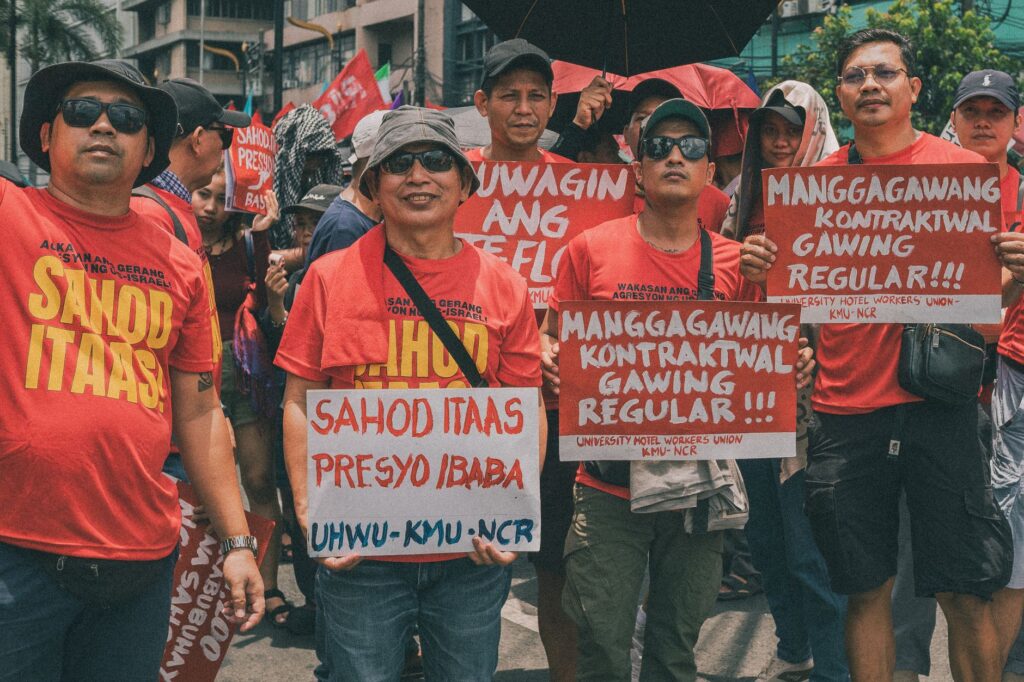
As of July 20, 2026, a significant milestone has been reached within the Philippine outsourcing sector: 2 million BPO workers have gained formal representation. This development, reported by Outsource Accelerator, signals a new era for labor relations and operational stability within an industry critical to the Philippine economy. For business owners considering or currently utilizing Philippine BPO services, understanding the implications of this shift is paramount. It moves the conversation beyond mere cost savings to encompass worker welfare, regulatory compliance, and the long-term sustainability of outsourcing partnerships.
Enhanced Worker Welfare and Its Impact on Retention
The formal representation of 2 million BPO workers directly addresses long-standing concerns regarding worker welfare and labor standards. With a collective voice, employees are better positioned to advocate for improved working conditions, fair compensation, and comprehensive benefits. This isn’t merely a philanthropic consideration; it’s a strategic advantage for businesses. Enhanced worker welfare typically translates to higher job satisfaction, reduced attrition rates, and a more stable workforce. For companies outsourcing to the Philippines, this means less time and resources spent on recruitment and training due to constant employee turnover. A stable team, familiar with specific business processes and client requirements, delivers higher quality output and greater efficiency. This formal representation provides a structured mechanism for addressing grievances and negotiating terms, potentially mitigating the risk of widespread labor disputes that could disrupt operations. Business owners should view this as an opportunity to foster more robust, long-term relationships with their outsourced teams, built on mutual respect and clear communication channels.
Navigating Evolving BPO Labor Laws and Regulations
The formal representation of such a large segment of the BPO workforce will inevitably influence the development and enforcement of BPO labor laws and outsourcing industry regulations. While specific legislative changes have not yet been announced, the increased advocacy power of a formally represented workforce will likely lead to greater scrutiny of existing labor practices and potentially new mandates. This requires business owners to maintain vigilance regarding compliance. Partnering with a reputable outsourcing provider that understands the nuances of Philippine labor law is more critical than ever. Such providers can ensure that all operations adhere to current and evolving regulations, protecting businesses from potential legal challenges or reputational damage. This proactive approach to compliance is not just about avoiding penalties; it’s about building a resilient and ethical outsourcing model. As the industry matures, a focus on fair labor practices becomes a differentiator, attracting top talent and demonstrating a commitment to responsible global business operations. This also aligns with the broader push for the Philippines to diversify its economic base, as urged by MSN on July 16, 2026, by ensuring the BPO sector remains a high-quality, sustainable employment generator.
Implications for Industry Growth and Investment Confidence
The formal representation of 2 million Philippine BPO workers can significantly bolster investor confidence in the stability and maturity of the industry. A well-regulated and formally represented workforce signals a more predictable operating environment, reducing perceived risks for foreign investors. This stability is particularly attractive to companies looking for long-term outsourcing solutions. While a PH-founded BPO recently raised $700K in a Canada listing on July 16, 2026, demonstrating continued investment interest, the formalization of worker representation adds another layer of assurance. It suggests a move towards a more balanced industrial relations framework, which can prevent abrupt disruptions and foster sustainable growth. For business owners, this translates to greater reliability in their outsourcing partnerships. A stable industry, supported by a formally recognized workforce, is less prone to unforeseen labor issues that could impact service delivery. This predictability allows businesses to plan more effectively, scale operations with confidence, and integrate their outsourced teams more seamlessly into their core operations. It reinforces the Philippines’ position as a mature and reliable outsourcing destination, even as discussions about AI’s potential impact on BPOs continue.
Operational Stability and Quality of Service Delivery
Formal worker representation directly contributes to operational stability and, by extension, the quality of service delivery. When employees feel heard and valued through established channels, their engagement and motivation typically increase. This can lead to higher productivity, reduced error rates, and a greater commitment to achieving client objectives. For businesses utilizing Manila outsourcing services, this means a more consistent and reliable output from their teams. The formalization of worker voice provides a structured avenue for addressing workplace issues, preventing minor concerns from escalating into major disruptions. This proactive problem-solving mechanism ensures that operational focus remains on client deliverables rather than internal conflicts. Furthermore, a workforce that feels secure and respected is more likely to invest in skill development and professional growth, contributing to a higher overall quality of talent available to outsourcing clients. This creates a virtuous cycle: better worker conditions lead to better performance, which in turn enhances the Philippines’ reputation as a premier outsourcing hub. Business owners can leverage this by fostering open communication with their outsourcing partners, ensuring that the benefits of formal representation translate into tangible improvements in their outsourced operations.
Want help navigating the Philippine outsourcing market? Reach out to Human Reserve — honest advice, vetted talent, and onboarding measured in days, not months.
Sources
- 2 million Philippine BPO workers win a formal voice – Outsource Accelerator — news.google.com
- PH-founded BPO raises $700K in Canada listing – Inquirer.net — news.google.com
- Philippines urged to diversify economic base as AI threatens BPOs – MSN — news.google.com